Scoping down
When work stalls, cut the scope before adding time or people. How small commitments and quick wins build an execution bias.
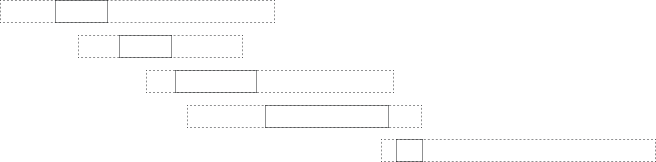
Momentum is created and preserved by reducing the size of commitments, not by endlessly scaling team sizes or putting pressure mid-development, this only makes late projects later and will decay code quality over time. Keep initiatives small enough to be completed by one to four people within one to three weeks, with a clear outcome and as few dependencies as possible. Smaller scopes forces everyone to think clearly about which features to actually prioritize.
Smaller scopes shorten feedback loops, expose mistaken assumptions early, and turn plans into observable progress. It makes changes easier to test, releases smaller to manage, and mistakes easier to fix.
By scoping down you will:
- Eliminate the need for release management
- Reduce the need for test teams
When work begins to stall, change the scope before adding time, people, or adjusting process. Preserve the essential outcome, remove everything that does not contribute directly to it, and deliver the smallest complete step that moves the team forward. Momentum compounds when finishing becomes a habit. Over time your team will begin to have an execution bias and prioritize deliviring value above all else.